The cryptocurrency space is full of innovation, opportunity, and rapid growth. Unfortunately, it is also a breeding ground for scams — and one of the most damaging among them is the so-called “rug pull.” The term comes from the phrase “pulling the rug out from under someone,” and that is exactly what happens: developers create excitement around a new crypto project, attract investors, and then suddenly disappear with the funds.
Understanding how rug pulls work — and how to protect yourself — is essential for anyone participating in the digital asset market.
What Is a Rug Pull?
A rug pull typically occurs in decentralized finance (DeFi) projects, new token launches, NFT collections, or meme coins. Developers promote a project heavily, build hype through social media and influencers, and encourage investors to buy in early. Once enough liquidity or investment capital is locked into the project, the creators withdraw the funds, abandon the platform, and leave investors holding worthless tokens.
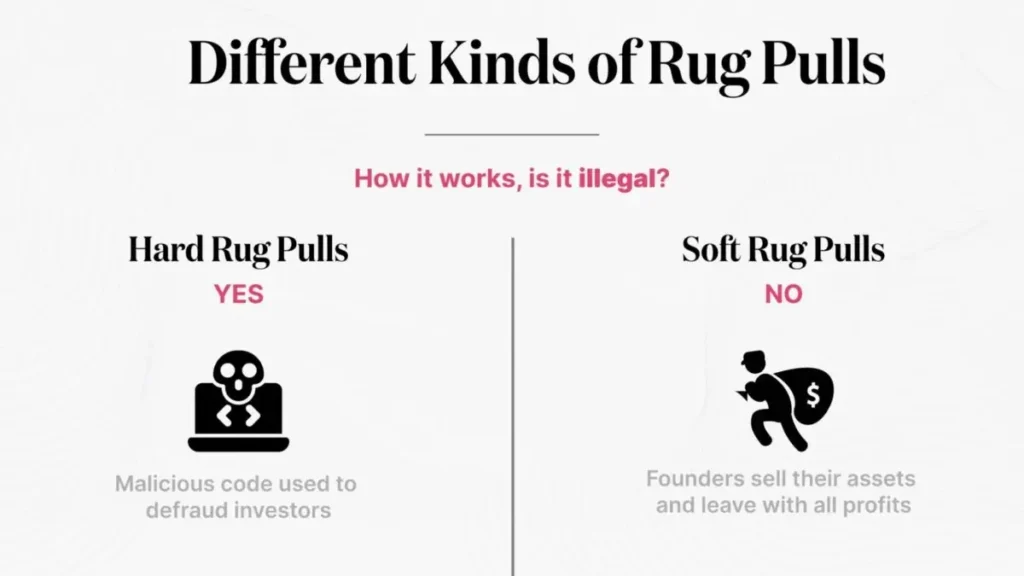
There are generally two main types of rug pulls:
- Liquidity theft: Developers remove liquidity from a trading pool, making it impossible for investors to sell their tokens.
- Malicious smart contracts: The code may contain hidden functions that prevent selling or allow developers to mint unlimited tokens.
In both cases, the outcome is the same — investors lose their money almost instantly.
Warning Signs of a Rug Pull
While no investment is risk-free, rug pulls often leave clues. Recognizing red flags early can save you from major financial losses.
Anonymous or unverifiable team
If the founders have no public profiles, no professional history, or use stock photos as “team members,” be cautious. Transparency matters.
Unrealistic promises
Guaranteed returns, “risk-free profits,” or explosive growth claims are classic scam indicators. High rewards always come with high risk.
Lack of audited smart contracts
Legitimate projects often undergo third-party security audits. If no audit exists — or if the audit report is vague — proceed carefully.
Sudden hype with no substance
Aggressive marketing campaigns, paid influencers, and viral social media promotions without a clear product or roadmap are common in rug pull setups.
Liquidity not locked
If liquidity is not locked through a reputable platform, developers can withdraw funds at any time.
How to Protect Yourself
Protecting yourself from rug pulls requires discipline, research, and skepticism.
1. Do Your Own Research (DYOR)
Never invest based solely on hype. Read the whitepaper, analyze the tokenomics, review the roadmap, and verify whether the project solves a real problem.
2. Check the Smart Contract
If you have technical knowledge, review the contract code. Otherwise, rely on independent audit reports from reputable cybersecurity firms.
3. Verify Liquidity Locking
Ensure that liquidity is locked for a reasonable period. Platforms like Unicrypt or similar services often provide public proof.
4. Avoid Emotional Investing
Scammers rely on urgency and fear of missing out (FOMO). Take time to evaluate before investing.
5. Diversify Investments
Never put all your capital into a newly launched or unproven project.
6. Use Trusted Exchanges and Platforms
While decentralized platforms offer opportunities, they also carry higher risks. Established exchanges often have stricter listing standards.
The Psychology Behind Rug Pulls
Rug pulls succeed because they exploit human emotions — greed, excitement, and fear of missing out. When investors see rapid price increases and viral momentum, rational thinking often takes a back seat. Scammers design projects to look legitimate long enough to attract liquidity.
By staying emotionally detached and focusing on fundamentals rather than hype, you significantly reduce your risk.
Final Thoughts
Rug pulls are a harsh reminder that the crypto market remains largely unregulated and fast-moving. While blockchain technology offers incredible innovation, it also demands personal responsibility from investors.
Before investing in any new token, ask yourself:
- Is the team transparent?
- Is the liquidity locked?
- Has the contract been audited?
- Does the project have long-term value?
If the answers are unclear, the safest decision is often to walk away.
In crypto, protecting your capital is just as important as growing it. Staying informed, cautious, and disciplined is the best defense against rug pull rugs and other crypto scams.